CBSE BOARD RESULTS (2025-26)
Management and Staff Congratulate Students for Excellent Results!!
Topper of LFPS (2025-26)



















100% Marks in Subjects (2025-26)













Kerala is a paradox: it has the highest literacy rate and the highest rate of alcoholism; it is matrilineal yet patriarchal; it is communist yet deeply religious. Malayalam cinema has historically been the space where these contradictions are played out.
Kerala’s socio-political history is fundamentally intertwined with the evolution of its cinema. The state's unique trajectory—characterized by early land reforms, high literacy, a strong communist movement, and a history of religious pluralism—has provided filmmakers with a rich tapestry of real-world conflicts and triumphs to explore. The Footprints of Social Reform
However, with the industry’s base shifting from Chennai (Kodambakkam) to Kochi, the port city emerged as a major character in its own right. Kochi, with its rich, layered history of multiculturalism shaped by Arab, Chinese, Dutch, and Portuguese traders, began to appear in films with increasing frequency. Filmmakers started capturing the unique, distinct dialects and socio-political microclimates of specific localities like Mattancherry or Fort Kochi, moving away from region-neutral portrayals to offer authentic slices of urban Kerala life.
As Kerala’s society grapples with modern challenges, its cinema acts as a progressive vanguard, often interrogating the very culture it belongs to. Dismantling Toxic Masculinity
This trend persists with the new generation of actors like Fahadh Faasil, Tovino Thomas, and Parvathy Thiruvothu, who routinely choose de-glamorized, morally ambiguous characters over conventional heroic tropes. 4. Geography as a Character: Landscapes of Kerala
This cinematic exploration has also turned its lens on the state's unique ritualistic art forms. The spectacular, trance-inducing —a ritual performance where dancers embody divine and heroic figures—has been the subject of both documentaries and feature films, capturing its intense visual and spiritual power for a wider audience.
Frequent exploration of leftist ideologies and democratic values.
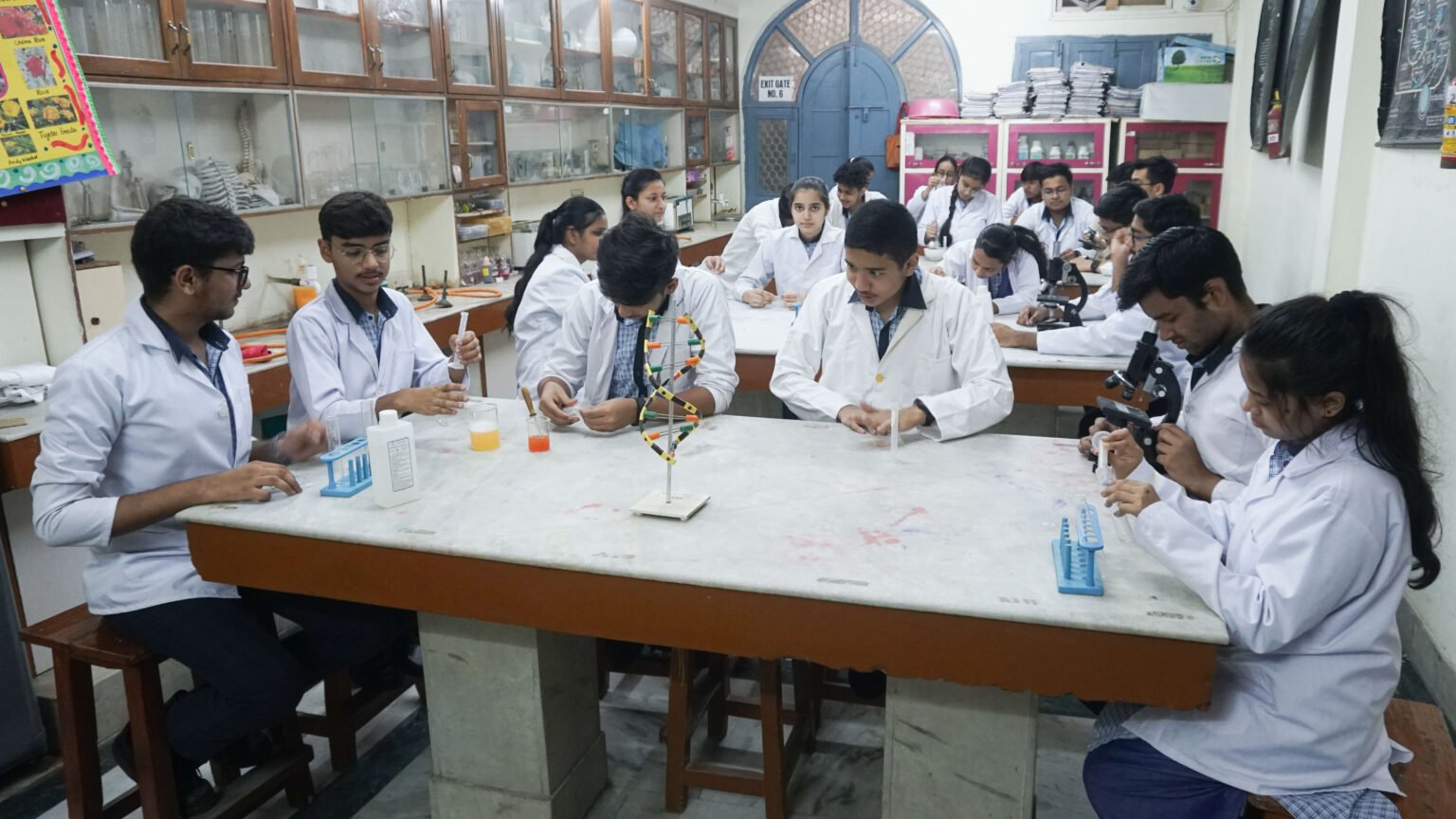
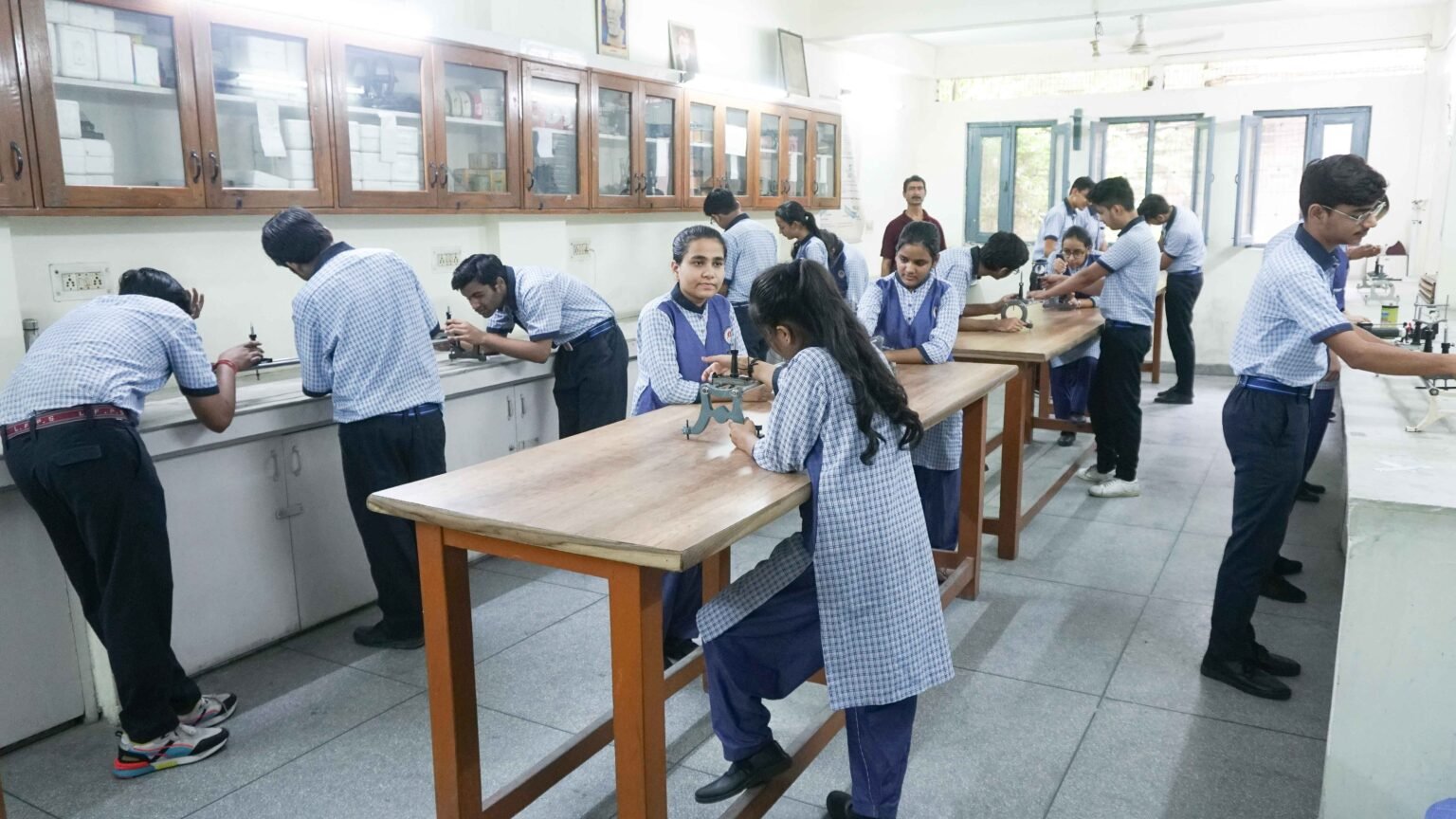
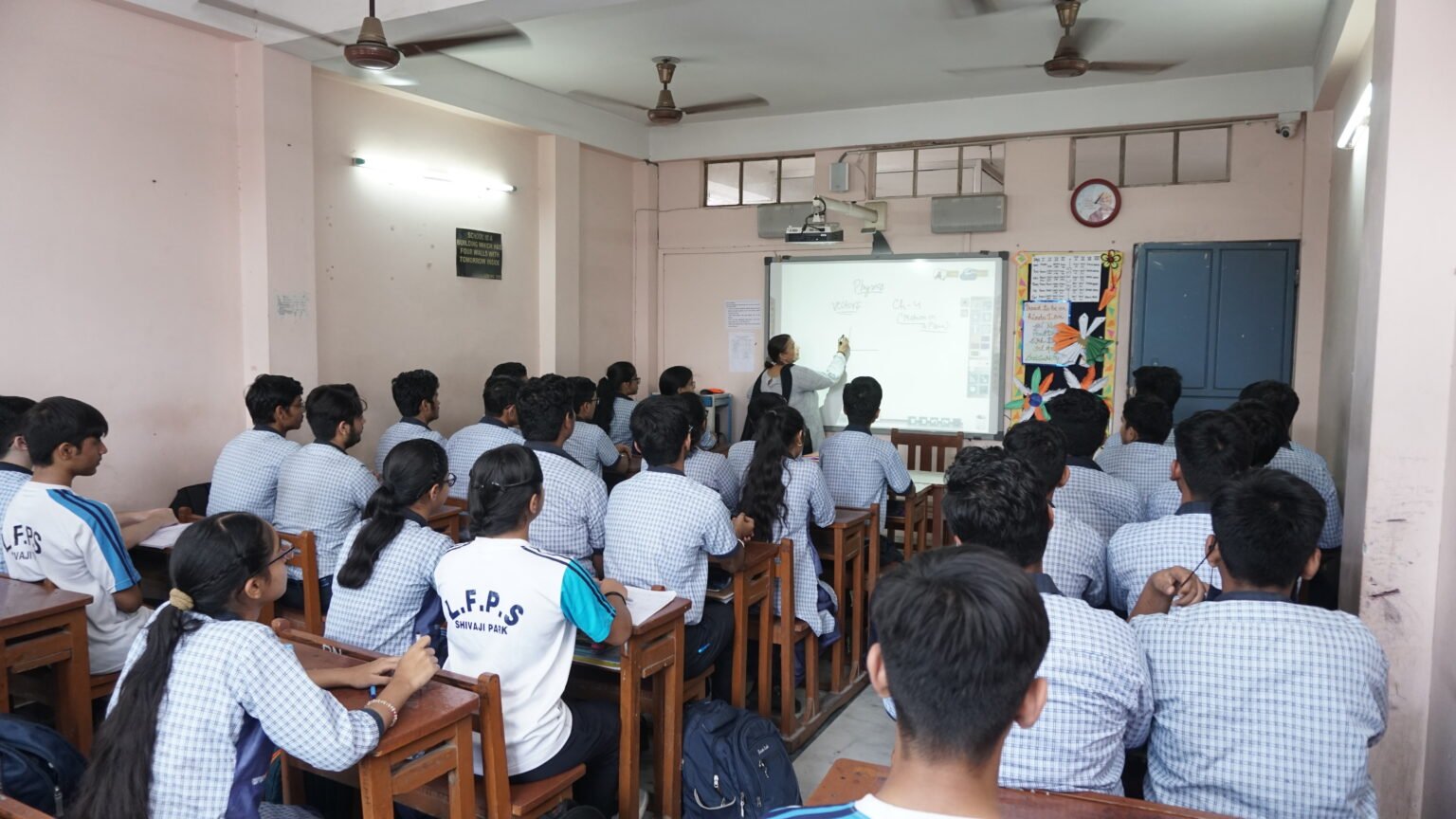
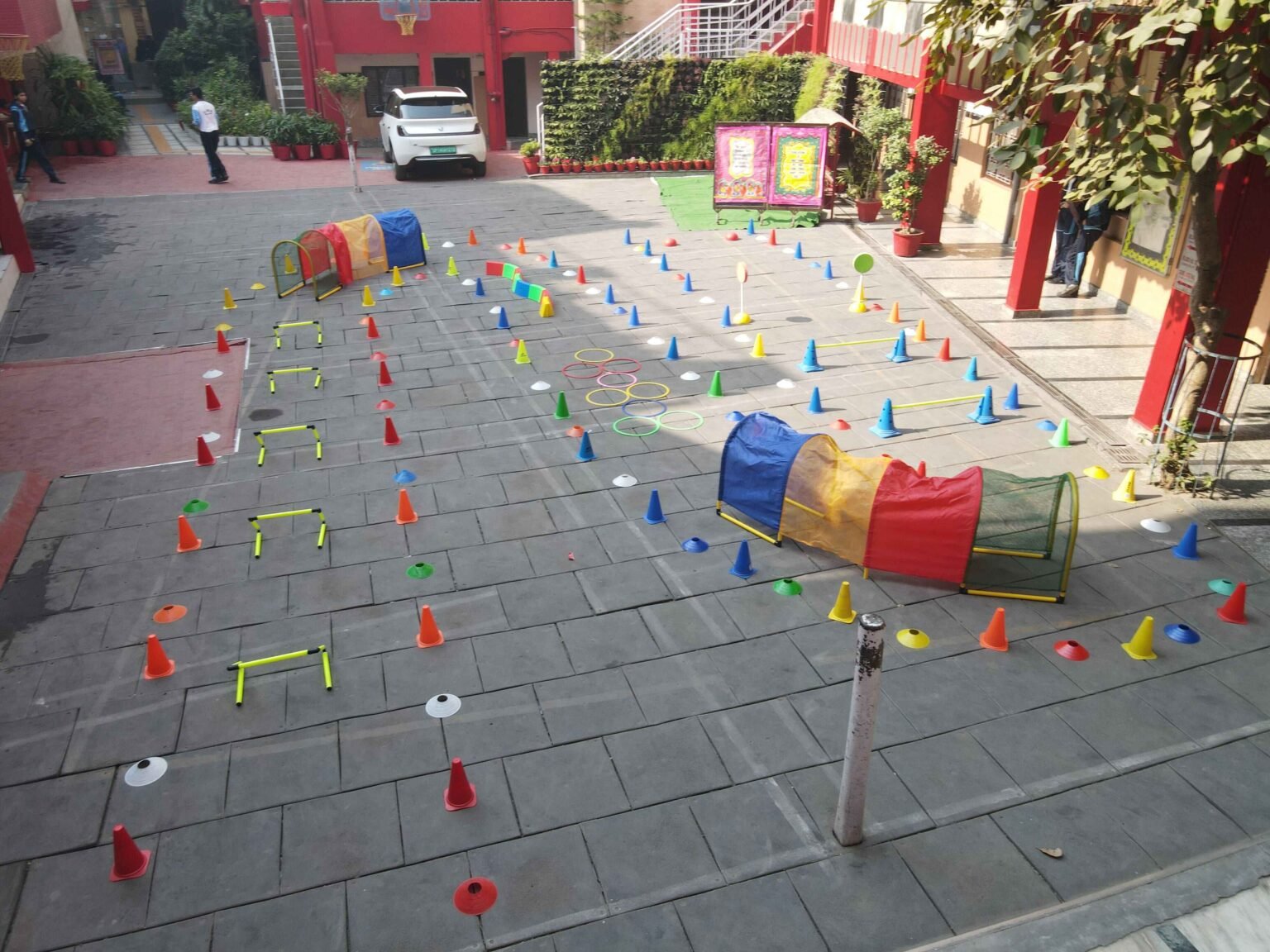
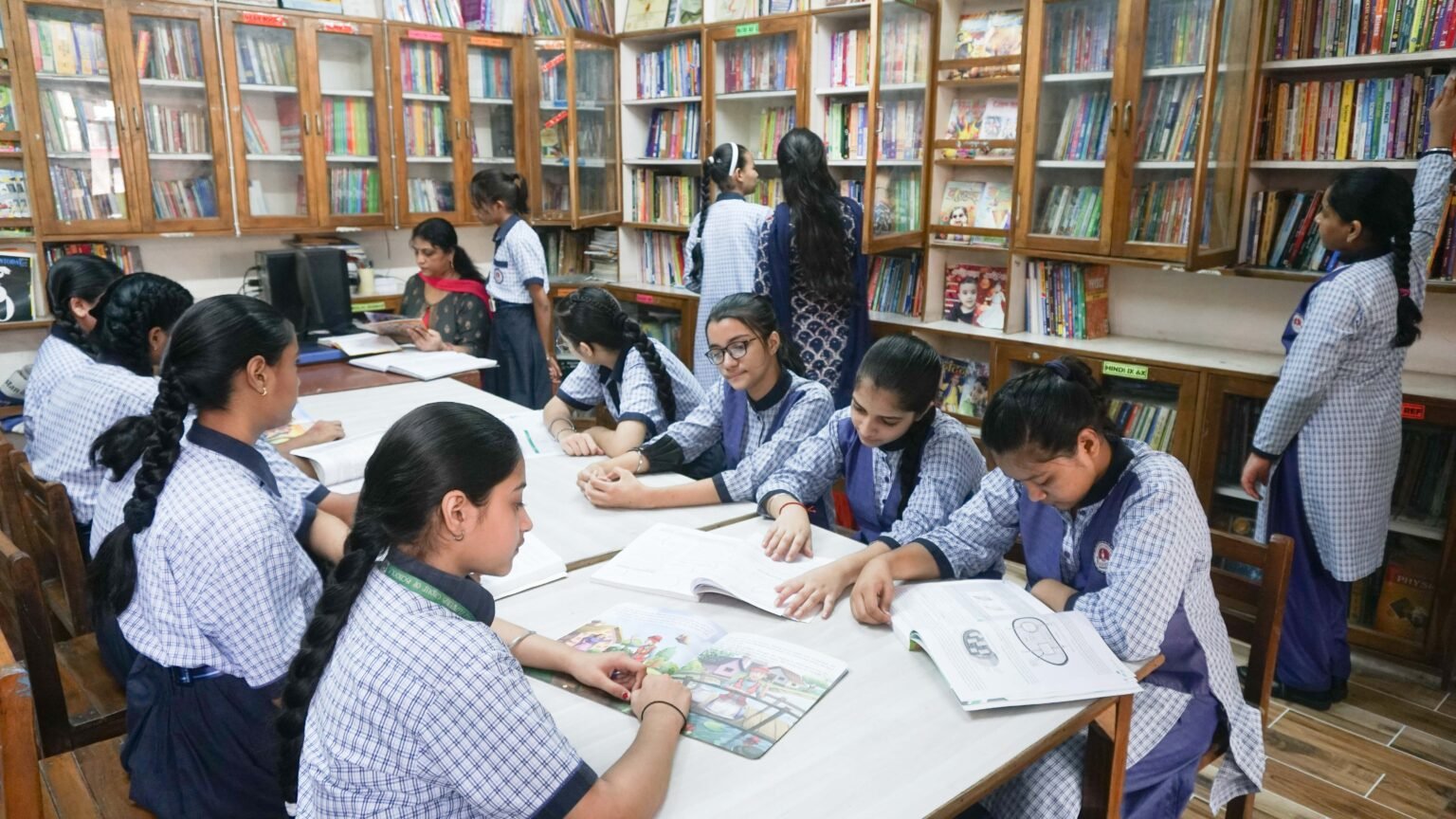
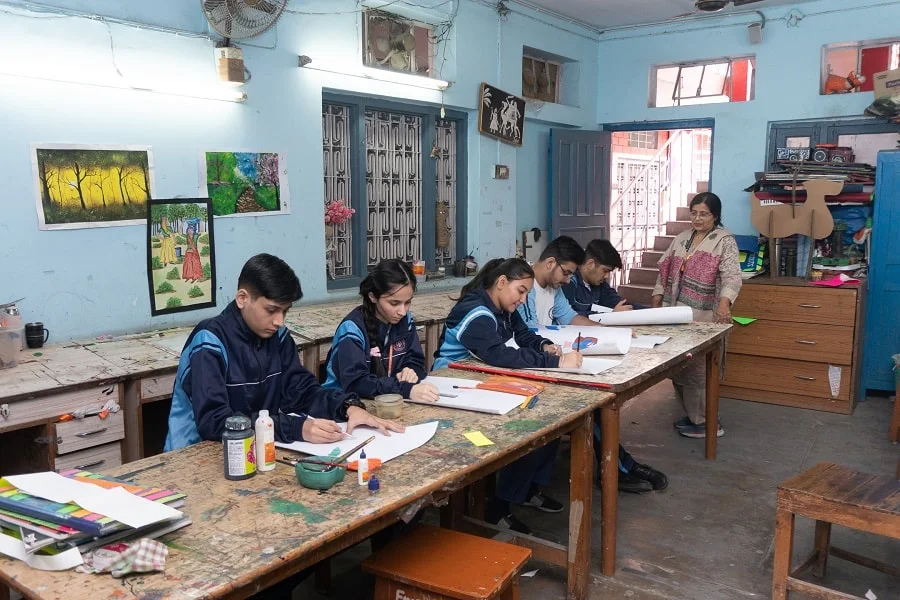
At Little Flowers Public Sr. Sec. School, we provide world-class facilities that support both academic excellence and overall development. Our campus is thoughtfully designed to give students the best environment to learn and grow.






Kerala is a paradox: it has the highest literacy rate and the highest rate of alcoholism; it is matrilineal yet patriarchal; it is communist yet deeply religious. Malayalam cinema has historically been the space where these contradictions are played out.
Kerala’s socio-political history is fundamentally intertwined with the evolution of its cinema. The state's unique trajectory—characterized by early land reforms, high literacy, a strong communist movement, and a history of religious pluralism—has provided filmmakers with a rich tapestry of real-world conflicts and triumphs to explore. The Footprints of Social Reform
However, with the industry’s base shifting from Chennai (Kodambakkam) to Kochi, the port city emerged as a major character in its own right. Kochi, with its rich, layered history of multiculturalism shaped by Arab, Chinese, Dutch, and Portuguese traders, began to appear in films with increasing frequency. Filmmakers started capturing the unique, distinct dialects and socio-political microclimates of specific localities like Mattancherry or Fort Kochi, moving away from region-neutral portrayals to offer authentic slices of urban Kerala life.
As Kerala’s society grapples with modern challenges, its cinema acts as a progressive vanguard, often interrogating the very culture it belongs to. Dismantling Toxic Masculinity
This trend persists with the new generation of actors like Fahadh Faasil, Tovino Thomas, and Parvathy Thiruvothu, who routinely choose de-glamorized, morally ambiguous characters over conventional heroic tropes. 4. Geography as a Character: Landscapes of Kerala
This cinematic exploration has also turned its lens on the state's unique ritualistic art forms. The spectacular, trance-inducing —a ritual performance where dancers embody divine and heroic figures—has been the subject of both documentaries and feature films, capturing its intense visual and spiritual power for a wider audience.
Frequent exploration of leftist ideologies and democratic values.