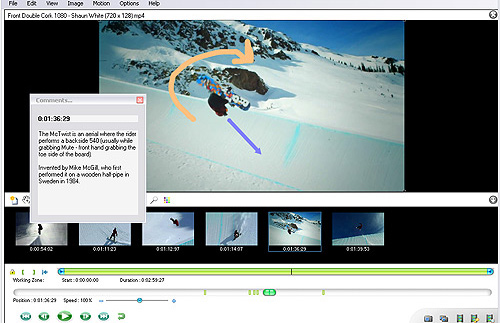
Kinovea is a video annotation tool designed for sport analysis.
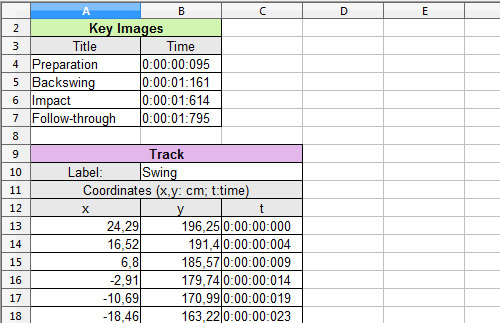
It features utilities to capture, slow down, compare, annotate, track and measure motion in videos. (Learn more).
Kinovea is completely free and open source.




The characters in "Finding Nemo" are expertly crafted, with each one bringing their own unique personality and quirks to the story. The voice cast, which includes Albert Brooks (Marlin), Ellen DeGeneres (Dory), and Hayden Rolence (Nemo), brings depth and nuance to the characters.
The film's influence extended far beyond entertainment, creating a complex cultural and environmental legacy. The demand for pet clownfish skyrocketed following the movie's release, an unintended phenomenon dubbed the "." While the film's message was to leave fish in the ocean, the reality was that over one million clownfish began being taken from reefs for home aquariums each year, with populations going locally extinct in parts of the Philippines, Thailand, and Sri Lanka. finding nemo
The Deep Blue Legacy: Why Finding Nemo Remains a Masterpiece The characters in "Finding Nemo" are expertly crafted,
Stanton realized the clownfish—a species that rarely ventures far from its protective sea anemone—was the perfect visual metaphor for a fearful father. Alongside co-writer Bob Peterson, Stanton crafted a narrative that flipped the traditional "hero's journey" on its head by focusing equally on the growth of the parent and the child. A Compelling Narrative of Fear and Freedom The demand for pet clownfish skyrocketed following the
Marlin’s fear of losing Nemo (after a barracuda killed Nemo’s mother and siblings) leads him to smother his son. The film argues that risk is a necessary part of growth and that parents must eventually trust their children.
The cultural impact of Finding Nemo has only grown in the two decades since its release. The sequel, Finding Dory , shifted focus to the beloved amnesiac blue tang and was released on June 17, 2016, grossing over a billion dollars worldwide.
The characters in "Finding Nemo" are expertly crafted, with each one bringing their own unique personality and quirks to the story. The voice cast, which includes Albert Brooks (Marlin), Ellen DeGeneres (Dory), and Hayden Rolence (Nemo), brings depth and nuance to the characters.
The film's influence extended far beyond entertainment, creating a complex cultural and environmental legacy. The demand for pet clownfish skyrocketed following the movie's release, an unintended phenomenon dubbed the "." While the film's message was to leave fish in the ocean, the reality was that over one million clownfish began being taken from reefs for home aquariums each year, with populations going locally extinct in parts of the Philippines, Thailand, and Sri Lanka.
The Deep Blue Legacy: Why Finding Nemo Remains a Masterpiece
Stanton realized the clownfish—a species that rarely ventures far from its protective sea anemone—was the perfect visual metaphor for a fearful father. Alongside co-writer Bob Peterson, Stanton crafted a narrative that flipped the traditional "hero's journey" on its head by focusing equally on the growth of the parent and the child. A Compelling Narrative of Fear and Freedom
Marlin’s fear of losing Nemo (after a barracuda killed Nemo’s mother and siblings) leads him to smother his son. The film argues that risk is a necessary part of growth and that parents must eventually trust their children.
The cultural impact of Finding Nemo has only grown in the two decades since its release. The sequel, Finding Dory , shifted focus to the beloved amnesiac blue tang and was released on June 17, 2016, grossing over a billion dollars worldwide.

The following companies have donated hardware to help Kinovea support more devices